Key Takeaways
- Preventive maintenance is essential in Florida’s climate: Regular inspections and upkeep of roofs, plumbing, HVAC systems, and drainage help prevent small issues like leaks or moisture from escalating into costly damage.
- Weather and moisture risks must be proactively managed: Hurricanes, heavy rain, and high humidity make storm preparation, mold prevention, and exterior maintenance critical to protecting both property structure and indoor air quality.
- Ongoing safety and communication protect long-term value: Functional detectors, secure exteriors, electrical checks, tenant reporting, and proper insurance coverage all work together to reduce risk, improve tenant satisfaction, and preserve investment value.
Property owners need to think about safety, maintenance, weather exposure, and long-term preservation of the home itself. In Florida, these responsibilities become even more important because properties regularly face challenges related to humidity, storms, heat, heavy rain, and coastal conditions.
A small issue that goes unnoticed can quickly become an expensive repair. Water intrusion, mold growth, roof damage, or neglected maintenance can affect both the condition of the property and its long-term value. Staying proactive helps reduce these risks while creating a safer and more reliable living environment for tenants.
Consistent upkeep and preventive care are often the best ways to protect both your property and your investment. Thankfully, these are responsibilities that McCaw Property Management can cover for you.
Stay Ahead of Water and Moisture Problems
Florida’s climate creates constant exposure to moisture and humidity, which makes water-related issues one of the biggest concerns for property owners.
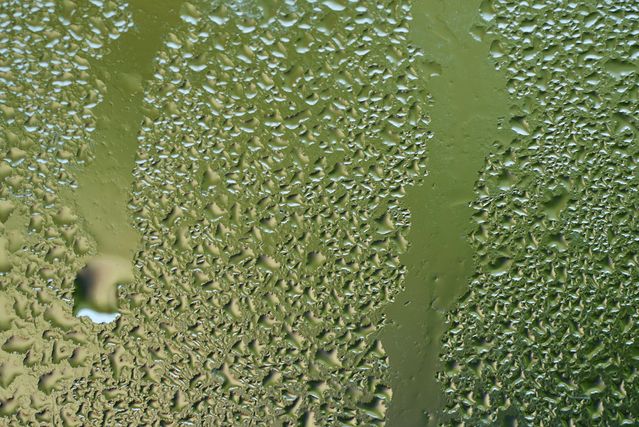
Regularly inspect roofs, plumbing lines, windows, and exterior seals for leaks or signs of water intrusion. Gutters and drainage systems should also be cleaned and maintained to help move water away from the property properly.
Even small leaks can eventually lead to mold, wood rot, or structural damage if they are ignored. Addressing moisture issues early helps prevent larger repairs and protects indoor air quality for tenants.
Prepare the Property for Storm Season
Storm preparation is especially important for Florida rental properties. Hurricanes, tropical storms, and heavy rainfall can create serious property damage if the home is not properly maintained beforehand.
Property owners should routinely inspect roofing materials, secure loose exterior fixtures, trim trees near the property, and check drainage systems before storm season begins. Storm shutters, reinforced doors, and impact-resistant windows may also help reduce storm-related risks.
Tenants should understand emergency procedures and know how to report damage quickly after severe weather events.
Keep HVAC Systems Maintained
Air conditioning systems are essential in Florida’s climate. A poorly maintained HVAC system not only affects comfort but can also contribute to moisture problems and higher utility usage.
Routine servicing helps ensure the system operates efficiently during hotter months when cooling demands are highest. Air filters should be changed regularly, and drainage lines should be checked to prevent water buildup or leaks.
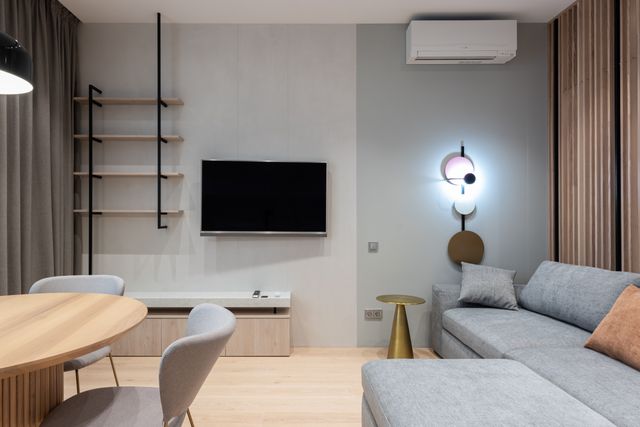
Reliable cooling systems also improve tenant satisfaction and reduce emergency repair situations during extreme heat.
Test Smoke and Carbon Monoxide Detectors
Smoke detectors and carbon monoxide alarms are critical safety features in any rental property. Devices should be tested regularly and replaced when necessary to ensure they remain functional.
Although Florida homes may rely less on fuel-burning heating systems than in colder climates, carbon monoxide risks can still exist depending on appliances and equipment present in the property.
Landlords should also ensure detectors are installed according to current safety requirements and local regulations.
Improve Exterior Security
A secure property helps protect both tenants and the home itself. Strong locks, proper lighting, and maintained entry points all contribute to better safety.
Rekeying locks between tenants is an important step that should never be skipped. Motion lighting, security cameras, and video doorbells can also help improve visibility and deter unauthorized activity.
Properties that feel safe are often more attractive to tenants and may experience fewer security-related issues overall.
Prevent Mold Growth
Florida’s humidity creates ideal conditions for mold growth if ventilation and maintenance are not handled properly.
Bathrooms, kitchens, laundry rooms, and poorly ventilated spaces should be inspected regularly for excess moisture or musty odors. Exhaust fans should remain functional, and tenants should be encouraged to report leaks or condensation problems immediately.
Mold issues can become expensive quickly and may create habitability concerns if left unresolved. Preventive maintenance and good airflow help reduce these risks significantly.
Maintain Landscaping and Trees
Overgrown landscaping does more than affect curb appeal. Trees, bushes, and vegetation that are not properly maintained can create safety hazards during storms and severe weather.
Branches hanging over roofs or close to windows may increase the risk of damage during high winds. Poor landscaping drainage can also contribute to flooding or standing water around the property.
Regular trimming and exterior maintenance help protect the structure while keeping the property looking professionally maintained.
Check Electrical Systems Regularly
Electrical issues can create serious safety concerns if ignored. Flickering lights, overloaded outlets, exposed wiring, or tripped breakers may indicate underlying problems that need professional attention.
Florida homes also experience heavy air conditioning usage and storm-related power fluctuations, which can place additional stress on electrical systems over time.
Routine inspections and prompt repairs help reduce fire risks and improve overall safety for tenants.
Encourage Tenants to Report Problems Early
Tenants are often the first to notice maintenance issues developing inside the property. Encouraging early reporting helps landlords address concerns before they become larger and more expensive.
Leaks, unusual smells, appliance issues, electrical concerns, or signs of moisture should all be reported promptly. Clear communication systems make it easier for tenants to speak up when problems arise.
Strong landlord-tenant communication also contributes to better tenant relationships and smoother property management overall.
Review Insurance Coverage Regularly
Insurance plays an important role in protecting a Florida rental property. Coverage should be reviewed periodically to ensure it still matches the property’s current condition, location, and exposure to risk.
Florida property owners should understand what their policies cover regarding storm damage, flooding, liability, and other potential claims. Because flood damage is often handled separately from standard property insurance, reviewing flood-related coverage is especially important in many areas of the state.
Tenants may also be encouraged to carry renters insurance to help protect their personal belongings.
Keep Up with Preventive Maintenance
Preventive maintenance is one of the most effective ways to protect long-term property value. Waiting until something fails usually results in higher repair costs and more operational stress.
Routine inspections, seasonal servicing, roof evaluations, plumbing checks, and exterior maintenance all help identify problems early. Preventive care also helps maintain tenant satisfaction because renters are more likely to stay in homes that feel properly maintained.
Consistent upkeep protects both the physical property and the financial investment behind it, this is especially important if you’re renting out a furnished property.
The Role of Professional Property Management
Managing maintenance, inspections, tenant communication, and safety preparation can become overwhelming for many landlords, especially when multiple responsibilities need to be handled at once.

A professional property management company helps coordinate maintenance, monitor property condition, respond to tenant concerns, and oversee preventive care throughout the year. Property managers also help ensure that repairs and inspections are handled consistently and professionally.
This proactive approach helps reduce risks, improve tenant satisfaction, and protect the long-term condition of the property.
Bottom Line
Keeping a property safe requires ongoing attention and preventive care. In Florida, where homes face constant exposure to humidity, storms, heat, and moisture, proactive maintenance becomes even more important.
Protecting HVAC systems, preventing water damage, maintaining security, and preparing for severe weather all help preserve both the property and the investment itself. Small preventive steps often make a major difference in long-term property performance.
If you want help managing maintenance and protecting your rental property more effectively, McCaw Property Management can help you keep your investment in strong condition year-round.