Key Takeaways
- There’s a lot of time and complexity involved in managing rentals, leading to issues with maintenance, communication, leasing, and compliance.
- Common mistakes include poor tenant screening, incorrect rent pricing, using weak lease agreements, and delaying maintenance, all of which can increase costs and turnover.
- Staying organized with finances, complying with legal requirements, and maintaining clear communication with residents are essential for long-term rental success.
- Professional property management can help landlords reduce risk, improve efficiency, and handle responsibilities more consistently.
Some rental property owners prefer to be a DIY landlord because they want to keep full control of their property, avoid management fees, and handle decisions on their own timeline. For many, especially those with one or two rentals, self-managing seems like a good idea at first.
Over time, however, the responsibilities become more complex. Leasing, maintenance, legal compliance, and resident communication all require consistency and attention to detail. Without the right systems in place, small oversights can turn into expensive problems.
Understanding the following common mistakes DIY landlords make can help you avoid unnecessary risk and build a more stable rental operation. At McCaw Property Management, we’ve seen DIY landlords go through these issues, and we have the tools to navigate them.
Treating Property Management as a Side Task
One of the biggest challenges new landlords face is underestimating how much time property management requires. It’s not limited to collecting rent once a month. There are maintenance requests, inspections, lease renewals, and unexpected issues that require immediate attention.
When property management is treated as something to handle “when there is time,” delays start to happen. Maintenance requests go unanswered, communication becomes inconsistent, and residents begin to lose confidence in how the property is managed.
Approaching property management in Dallas as an ongoing responsibility, not a part-time task, helps prevent these gaps and keeps operations running smoothly.
Pricing the Rental Based on Assumptions
Setting rent without proper research is another common mistake. Some landlords base pricing on personal expectations or what they need to cover expenses, rather than what the market supports.
A price that is too high can result in extended vacancy, while pricing too low can reduce overall returns. The right approach is to evaluate comparable properties in the same area, considering factors such as size, condition, and location.
Accurate pricing attracts more qualified applicants and helps reduce the time a property sits empty.
Skipping a Thorough Screening Process
Filling a vacancy quickly can be tempting, especially when the property has been sitting empty. However, rushing the screening process often leads to long-term issues.
Without proper screening, landlords may end up with residents who struggle to pay rent, fail to follow lease terms, or move out sooner than expected. These situations create additional costs and increase turnover.

A consistent screening process should include verifying income, reviewing credit history, and checking rental background. Taking the time to screen properly helps create more stable tenancies.
Using Incomplete or Generic Lease Agreements
A lease agreement sets the foundation for the entire rental relationship. Many DIY landlords rely on generic templates that do not fully address the specific terms of their property or local regulations.
An incomplete lease can lead to confusion about responsibilities, payment terms, and property rules. When disputes arise, the lack of clear language makes them harder to resolve.
A well-structured lease should clearly define expectations for both parties. It should also reflect local laws and include terms that protect the property and the owner.
Ignoring Maintenance Until it Becomes Urgent
Delaying maintenance is one of the most costly mistakes landlords can make. Small issues, such as a minor leak or worn fixture, can quickly develop into major repairs if they are not addressed early.
Residents also notice when maintenance is neglected. This can lead to dissatisfaction and increase the likelihood of turnover. Regular inspections and preventative maintenance help identify problems early. Addressing issues promptly protects the property and supports a better living experience for residents.
Failing to Keep Finances Organized
Managing rental finances requires clear and consistent recordkeeping. Some DIY landlords mix personal and rental finances, making it difficult to track income, expenses, and overall performance.

Without organized records, it becomes harder to manage cash flow, prepare for tax reporting, or evaluate whether the property is profitable.
Keeping separate accounts for rental activity and maintaining detailed records helps create a clearer financial picture and supports better decision-making.
Overlooking Legal and Regulatory Requirements
Rental properties are subject to a range of local, state, and federal laws. These include fair housing regulations, security deposit rules, and requirements related to habitability and evictions.
Many DIY landlords are not fully aware of these regulations, which can lead to unintentional violations. Even small mistakes in handling deposits or notices can result in legal disputes.
Staying informed about applicable laws and following proper procedures is essential for protecting both the property and the owner.
Poor Communication with Residents
Communication plays a central role in property management. When communication is inconsistent or unclear, misunderstandings can develop.
Residents need to know how to report maintenance issues, when rent is due, and what is expected of them during the lease. When these details are not communicated clearly, it can lead to confusion and frustration.
Responding promptly and maintaining a professional tone helps build trust and encourages residents to follow lease terms.
Not Preparing for Vacancies and Turnover
Vacancies are part of owning rental property, but failing to plan for them can create financial pressure. Some landlords assume continuous occupancy and are unprepared when a resident moves out.
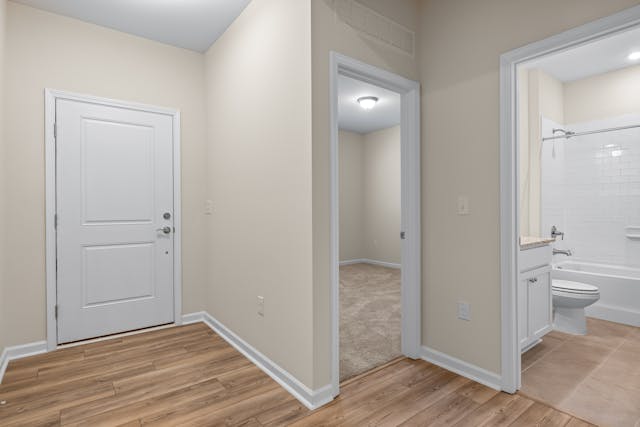
Turnover also involves more than just finding a new resident. Cleaning, repairs, and marketing all take time and resources. Setting aside reserves and preparing for transitions helps reduce stress and keeps the property ready for the next lease.
Trying to Handle Everything Alone
Many DIY landlords take on every responsibility themselves, from leasing and maintenance to legal compliance and accounting. While this may seem efficient, it can lead to burnout or mistakes, especially when specialized knowledge is required.
Certain tasks, such as handling legal notices or coordinating major repairs, may require professional expertise. Knowing when to bring in help can improve efficiency and reduce risk. Balancing independence with support allows property owners to manage their rental more effectively.
The Value of Professional Property Management
Self-managing a rental property can work in some situations, but it requires structure, consistency, and time. For many property owners, the demands of managing everything alone eventually become difficult to sustain.
Professional property management like McCaw Property Management helps property owners handle leasing, maintenance coordination, and resident communication through established systems. Our approach reduces common mistakes and ensures that each part of the rental process is handled consistently.
Bottom Line
Becoming a DIY landlord can be a rewarding experience, but it comes with real responsibilities. Mistakes such as poor screening, delayed maintenance, and unclear communication can affect both the property and the overall rental experience.
Taking a structured approach to property management helps reduce risk and improve long-term performance. By understanding common pitfalls and putting the right systems in place, landlords can create a more stable and successful rental operation.
If you want to get the best out of your rental investment, it’s recommended to work with a professional property manager. Contact McCaw Property Management for assistance.