Key Takeaways
- A strong offer is about more than price—terms, timing, and buyer reliability all impact the final outcome.
- Evaluating buyer financial strength and contingencies helps reduce risk and ensure a successful closing.
- Hidden costs like concessions, repairs, and delays can significantly affect your net proceeds.
- Working with McCaw Property Management provides expert guidance to help you choose the most reliable and profitable offer.
In Texas real estate, a strong offer can arrive quickly, sometimes within days of listing. But speed often creates a false signal. A high number on paper doesn’t automatically translate into a strong deal. At McCaw Property Management, we help property owners look beyond the surface to understand what an offer truly means.
For property owners and investors, the real question isn’t simply “Is this the best price?” It’s “Is this the best outcome?” The difference lies in how you evaluate everything behind the number.
Price Is Only the Starting Point
It’s easy to focus on the headline figure. After all, that’s what determines your gross return. But experienced investors know that price alone rarely tells the full story.
An offer that looks strong upfront can weaken once you factor in:
- Repair credits after inspection
- Seller-paid closing costs
- Delays that affect your next investment move
Conversely, a slightly lower offer with cleaner terms may result in higher net proceeds and a smoother closing.
A good price is not just what’s offered, it’s what you actually walk away with.
Look at the Buyer’s Financial Position
Before considering terms or timelines, assess whether the buyer can realistically complete the purchase.
A well-prepared buyer typically shows:
- Verified financing or lender preapproval
- A meaningful down payment
- Clear documentation of funds
Cash buyers often stand out because they remove financing risk entirely, allowing for faster and more predictable closings.

In Texas markets where competition can shift quickly, from Austin’s volatility to Dallas-Fort Worth’s steady demand, certainty matters. A deal that closes is always more valuable than one that collapses midway.
Understand the Conditions Attached to the Offer
Every offer includes conditions that shape how the transaction unfolds. These clauses can either protect the buyer, or introduce uncertainty for the seller.
Common contingencies include:
- Inspection periods
- Financing approval
- Sale of another property
Each additional condition increases the number of variables that could delay or derail the deal.
This doesn’t mean you should avoid them entirely. Instead, evaluate how each condition affects risk. An offer with fewer moving parts often provides more control, even if the price is slightly lower.
Timing Can Change the Value of an Offer
Not all closing timelines are created equal.
A faster closing might allow you to:
- Reinvest capital sooner
- Reduce carrying costs
- Minimize exposure to market fluctuations
On the other hand, a longer timeline might better align with your personal or investment plans, especially if you’re coordinating another purchase or managing tenants.
The key is alignment. A “good” offer fits your timeline just as much as your financial goals.
Factor in Concessions and Hidden Costs
Buyers often include requests that don’t appear in the listing price but still affect your bottom line.
These can include:
- Contributions toward closing costs
- Requests for repairs or upgrades
- Inclusion of appliances or fixtures
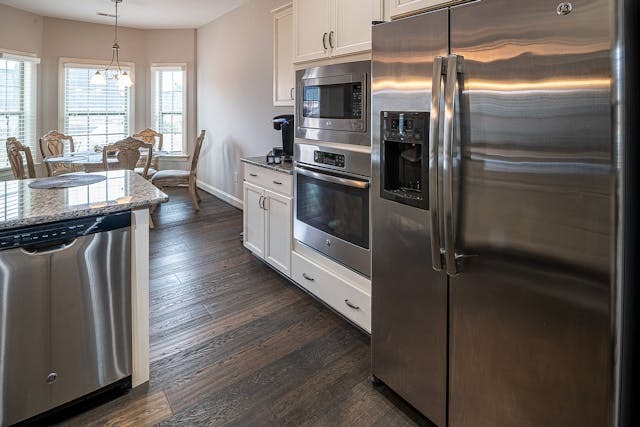
Individually, these items may seem minor. Together, they can significantly reduce your net proceeds.
Evaluating offers requires looking beyond the surface. A higher price with heavy concessions may be less favorable than a cleaner, more straightforward proposal.
Read the Market Before You Respond
Texas is not a single market, it’s a collection of micro-markets, each with its own pace and pressure.
In high-demand areas, multiple offers may give you leverage to negotiate stronger terms. Buyers may be more flexible, willing to reduce contingencies or increase earnest money to stay competitive.
In slower conditions, reliability often outweighs price. A stable, qualified buyer with straightforward terms may provide a better outcome than chasing a higher number with more uncertainty.
Understanding where your property sits within the current market cycle helps you evaluate offers in context, not in isolation.
Negotiation Is Part of the Process
The first offer is rarely the final one.
Negotiation allows you to:
- Adjust pricing
- Modify timelines
- Remove or refine contingencies
Strong buyers expect this process. They are often willing to improve terms if they see value in the property.
Approaching negotiations strategically, not emotionally, helps you shape the deal into something that aligns with your goals.
Think in Terms of Risk, Not Just Return
Every offer carries a level of risk.
A higher-priced offer with multiple contingencies introduces more uncertainty. A slightly lower offer with fewer conditions may provide a more predictable outcome.

The goal is not to eliminate risk entirely, it’s to balance it.
In investment terms, this is no different from evaluating any asset. You’re weighing potential return against the likelihood of achieving it.
Professional Insight Makes the Difference
Evaluating offers involves more than reviewing numbers, it requires interpretation.
Experienced real estate professionals provide:
- Market context
- Pricing benchmarks
- Guidance on contract terms
- Negotiation strategy
They can identify strengths and weaknesses that may not be immediately visible, helping you avoid costly missteps.
For investors managing multiple properties or planning reinvestment, this level of insight becomes even more valuable, something that a lot of investors will regret not doing earlier.
The Investor’s Perspective: Net Outcome Over Headline Price
Ultimately, the best offer is the one that delivers:
- Strong net proceeds
- A reliable path to closing
- Alignment with your timeline and strategy
This perspective shifts the focus from short-term gain to long-term positioning.
In Texas markets where conditions can change quickly, consistency and execution often matter more than squeezing out the last dollar on price.
Bottom Line
A strong offer isn’t just about the price, it’s about what holds up through closing. By evaluating buyer strength, contract terms, timing, and market conditions together, you gain a clearer understanding of the true value behind each offer. The goal isn’t simply to accept the highest bid, but to choose the deal that delivers the best overall outcome with confidence.
Reviewing offers, negotiating terms, and managing timelines can quickly become complex, especially when you’re balancing multiple priorities or investments. That’s where McCaw Property Management comes in. Our team helps you evaluate opportunities, coordinate transactions, and protect your returns from listing to closing.
With McCaw PM’s deep understanding of the Texas market, we focus on turning offers into strong, reliable outcomes, so your investment performs exactly as it should.